

Wood Burning Vs Electric Stove
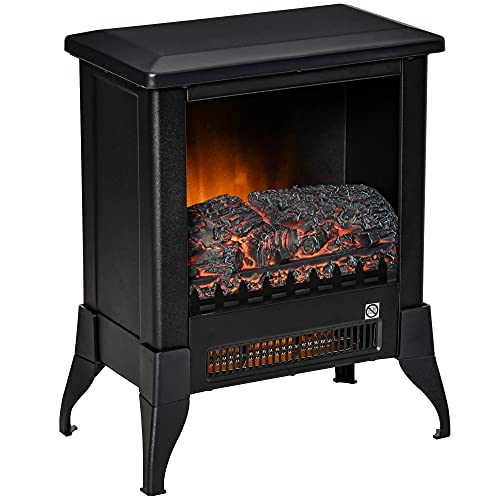
Electric stoves are an excellent choice to get the look and feel of a fire but are concerned about high bills. However, it's important to determine the heating area rating.
Electric log burners do not require expensive chimneys or flues. They just require an electrical outlet of standard size to function.
Efficient Heating
The choice between electric and wood stoves when it comes to heating your home can be a major influence on your energy consumption, carbon footprint and overall efficiency. This blog post will explore the pros and cons for both options to assist you in making an informed decision that is tailored to your preferences.
In terms of efficiency it's difficult to beat the efficiency of an electric stove. The most efficient models turn 100% of the energy used to heat your living space into warmth, whereas traditional wood stoves can only produce an average of 89-90%. This means that, over time, you could save a significant amount of money by switching to an electric wood burning stove.
Electric stoves are safer than traditional stoves as they don't make use of wood or other fuels. As opposed to open fires stoves don't produce smoke or ash, and will automatically stop if they are overheated. This makes them the ideal option for homes with children or elderly relatives.
Another advantage of an electric stove is its simplicity of use. If it's in a safe area and has access to a reliable mains power supply it can be turned on at the flick of an electric switch and operated by an electronic remote control.
Wood stoves require a functional chimney and a place to store logs. They also require a constant supply of wood to keep them running, which can be a problem for those with small spaces or who are unable to cut and store their own wood.
You can also choose a pellet stove that has an electric auger for heat regulation and a hot-surface ignitor for lighting the pellets. They are also extremely efficient and emit very little emissions, making them a great option for environmentally conscious homeowners.
It is essential to choose an established brand when you install an electric fire in your home. There are a lot of cheap and generic electric stoves on the market, but these tend to have poor heating performance and mediocre flame effects. Choose well-known brands such as Dimplex or Gazco for an electric wood stove with stunning flame effects and immersive 3D ember lighting.
Aesthetics
There is nothing quite like the classic appearance and scent of a wood burning stove. A real wood stove is the perfect finishing touch for rustic cabins in the woods, or a modern tiny house. If you're just interested in the heat and don't mind the crackle of flames, there are a variety of options that will give you a great deal of warmth.
Gas fires are the most popular alternative to traditional log burners. They are also one of the most efficient heating options. About 70 percent of the organic materials they burn are converted directly into heat. Plus, their cleanburning technology minimizes particles and harmful gases. They can also be outfitted with fans to improve their performance.
They are also economical since they are simple to install, require no chimney, and do not need maintenance. They are also the most versatile option, and can be placed in nearly any room as long as you have adequate ventilation.
Stovax offers a selection of modern wood-burning stoves that help you create an authentic log fire. These designs have developed from their utilitarian roots to become masterpieces that can elevate any living space. They do this whilst staying true to the principles of sustainability and efficiency.
The wood effect fires they offer are extremely realistic and come in a range of sizes to suit your space. electric heating stove are enhanced by the latest in technology that creates fuel effect, incorporating logs with a spectrum of coloured uplighting. If you're still not convinced the majority of their models come with a fireplace mantel that is set against flat walls to give the appearance of wood stove.
Installation
A wood stove requires a flue in order to channel the gasses and smoke produced by burning wood away from your home. Installing a chimney, or flue can be expensive even if you don't own one. For this reason, many homeowners choose an electric stove.
While it is possible to set up an electric wood stove by yourself, a qualified professional is recommended. A professional can ensure the installation is done properly and that it is in compliance with local safety regulations. They can also assist you to select the ideal stove based on your budget and the space.
When installing an electric wood stove, you must select a suitable location and then carefully place it in the right spot. These units are usually heavy, which is why it is crucial to take care to prevent injuries. Use a dolly or handtruck capable of supporting the weight of the unit. If there's no nearby power outlet, you could use a high-quality cord that meets the unit's electrical needs.
Before plugging into your electric log burner, be sure that you adhere to the manufacturer's guidelines. Some models require a certain kind of wall bracket to ensure stability and safety. Make sure the bracket isn't posing any danger of tripping and is safe.
Contrary to traditional wood stoves the electric log burner doesn't require a chimney for ventilation. It is still necessary to protect the floor from fire, like with a hearth board or stove board. Additionally the stove must be installed at least 16" from any combustible surface.
To lower the risk of poisoning by carbon monoxide, it's also a good idea to have an operational carbon monoxide detector installed in your home. It will sound an alarm when CO levels reach unsafe levels in your home, helping to protect your family's health and well-being. In addition, it is an excellent idea to have your chimney and stove made of wood inspected annually by a trained technician. This will avoid dangerous accumulations of the odourless, toxic gas and will extend the life of your stove.
Maintenance
Log burners can bring an air of ambiance and old-fashioned comfort to any home. But, they require some maintenance to keep them operating at their peak. This involves regular cleaning and inspection of the chimney. By investing time in these tasks, you can ensure that your stove is secure and is working properly for you and your family.
If the wood stove glass gets discolored over time, it might need to be changed. The replacement process is generally simple and involves removing the doors' bottoms and using screwdrivers that flathead to attach the door pins before gently pulling out. It is crucial to tighten the fasteners but not so tight that the glass can't expand when heated.
It is also recommended to clean the baffle plate on a regular basis. This will prevent soot buildup and ensure that the chimney vents are operating properly, reducing the possibility of an igniting fire in the chimney. Do not starve your fire of oxygen since this will reduce its efficiency and accelerate the growth of creosote. It is advisable to use dry or seasoned firewood, and to get the chimney checked by an expert on a regular basis.
If it is not maintained correctly the catalytic combustor of your wood stove electric can degrade over time. It can be inspected without disassembling the stove and the owner's manual contains instructions for inspecting and cleaning. The combustor should last for approximately six years or 12,000 hours. However, if the combustor begins to malfunction and needs to be replaced, it should be replaced.
It is essential to keep your wood-burning stove well-maintained to safeguard your health as well as the environment. A wood stove that is not maintained properly can cause structural damage, smoke damage or even a chimney fire. To reduce these risks ensure that the area around your stove clear of clutter and ensure you are checking your smoke detectors on a regular basis. In the event of a fire, these devices can save lives. It is therefore crucial to ensure that they are working properly. Also, you should test your fire extinguisher regularly and place it in a central location of your home.